

On Tuesday of this week, the government forcibly deported 17 people on a chartered flight to Jamaica. They were uprooted from their homes and families, stripped of all things familiar and deserted in a foreign land.
There were originally 50 people scheduled to be deported, many of which had either been here in the UK since childhood, had indefinite leave to remain or were eligible to receive British Citizenship as children but did not have the finances to pay for it. Many of these people have either never been to Jamaica or only visited a few times. Despite protests and public outcry, the Government still went ahead with the deportation. The conviction that the Government has displayed concerning this issue can only be an attempt at a symbolic show of power. This comes only two years after the Windrush scandal, an injustice that left people homeless, jobless and even resulted in some deaths. This week the government has shown, once again, their disregard for black people. Even after the Windrush Lessons Learned Review (leaked by David Lammy) advising that the Government “review its policy and approach to FNOs [foreign national offenders]” and only use deportation in “the most severe cases”, the Government still chose to go ahead with the forced deportation in the name of “getting tough” on migration.
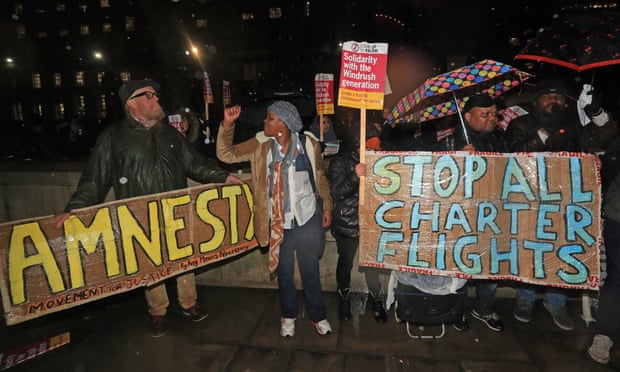
Age-old black stereotypes (the idea that black is synonymous with criminality and violence) have been used as justification for the complete disregard of human rights. The Home Office Minister, Kevin Foster defended the decision by implying that this deportation was for the protection of the British public.
Although all passengers scheduled to be on the flight had criminal records, they had all already served the sentence deemed appropriate for their crime. Of course, I’m not here to defend serious criminals like rapists and murders, but not all of the people that the government has/plans to deport are seriously dangerous. One example is Tayjay, a 24-year-old man who recently spoke to Labour MP David Lammy about his situation. He explained that he was charged with “a single drugs-related offence” and “a 15-month conviction” when he was 19. Five years later, “despite never reoffending” Tayjay is faced with the horrible possibility of deportation to a country he has only visited once. How is this justifiable? I am yet to see detention centres or planes filled with white Americans being forcibly deported for drug possession. This also raises the question, what does citizenship mean in Britain? Some of the people scheduled to be on the flight were eligible for British Citizenship as children. The only reason that they did not get their citizenship was that their families did not have the money to pay for it at the time. So if they were considered eligible as children and have lived here for decades, how can sending them to Jamaica (after they have already served their time) be considered a reasonable response?
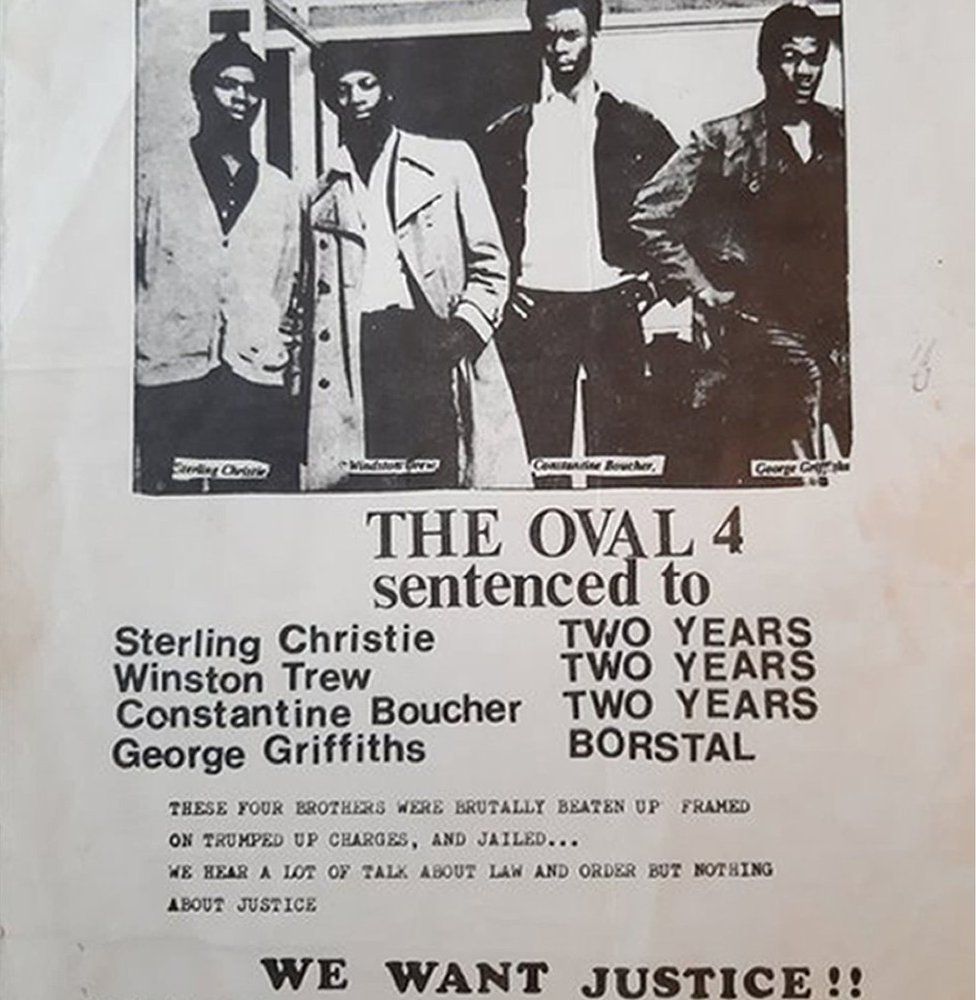
20th century Sus laws, panic around the ‘black mugger’ in the 70s and stories like The Oval 4 in 1972, reveal just how racially biased the criminal justice system has been, historically, in this country. When looking at the cases of these deportees, it is important that we keep this in mind. In 2013 a British report looking into drug offences in England found that black people are twice as likely to be charged with drug possession, rather than cautioned, despite having lower rates of drug use. Criminal institutions, the Government and the media have reinforced the notion that black people are inherently criminal to pass off the Government’s over-policing as public protection. If society as a whole, including our justice system, believe that black people are inherently criminal, regardless of studies showing that this is not the case, it follows that more black people will be convicted of crimes. Let’s also take into account that a vast majority of black people are living in working-class areas of the country and sometimes our environment can force us into doing things that we wouldn’t do otherwise.
Knowing that black people are given harsher sentences, black areas are over-policed and black men are overrepresented in our prison populations, it is not hard to surmise who the Government are referring to when they speak of removing “foreign national offenders”.
Black people’s right to be in this country is constantly under question. When politicians speak on immigrants threatening “British values” or this country’s need for “high value” migrants, they are revealing to us how little our existence is valued in the country that many of us call home. This has been the case throughout history.

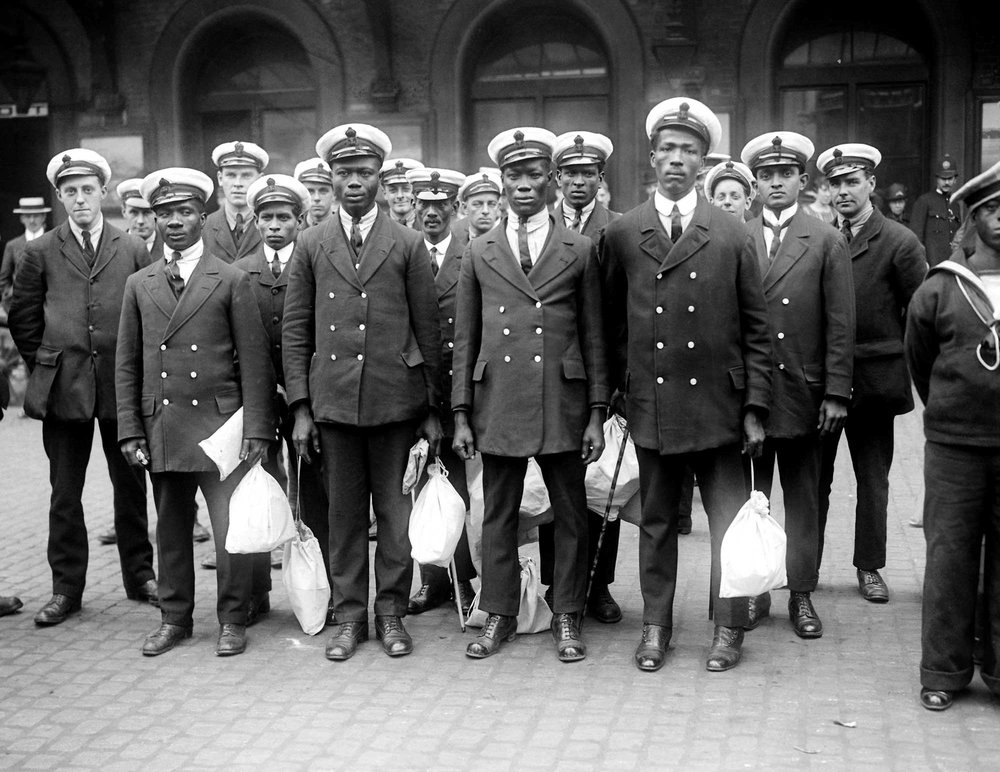
In the early twentieth century, after Caribbean and Indian men had been brought over to fight for this country in the First World War (under the impression that their contributions would lead to political reform in their home countries), there were high levels of unrest among the white population in Britain regarding their new black neighbours. Black men were falsely accused of rape, violence and taking up jobs. Their homes were ransacked by the police and white mob rule led to multiple vicious racist attacks. Our Government’s response to this was to deport six-hundred black people “back to where they came from”. This exhibits just how disposable they perceived black people to be. We were brought over in horrible conditions, expected to fight for a country that had been forced on us, and once our labour had been exhausted we were no longer welcome in the country that they taught us was “the motherland”.
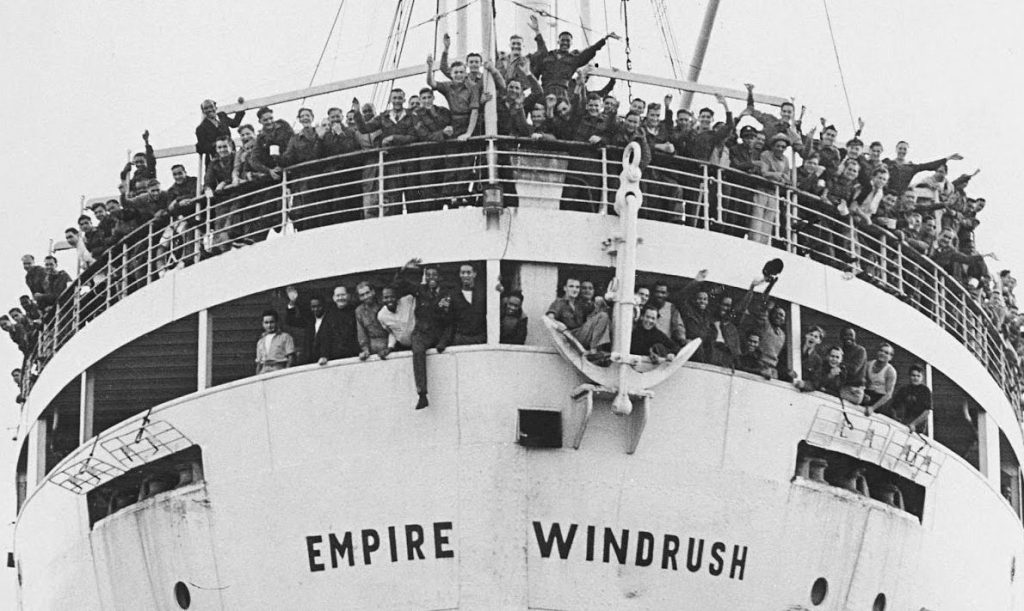
Disregard for the lives of people of colour did not stop there. In the mid-twentieth century, after the SS Empire Windrush brought over 492 Carribean people to rebuild and restore post-war Britain, white resentment towards the black population was still widespread. Despite the 1948 British Nationality Act and continued legislation welcoming Commonwealth Citizens to reside in Britain, black people were still considered second rate members of society.
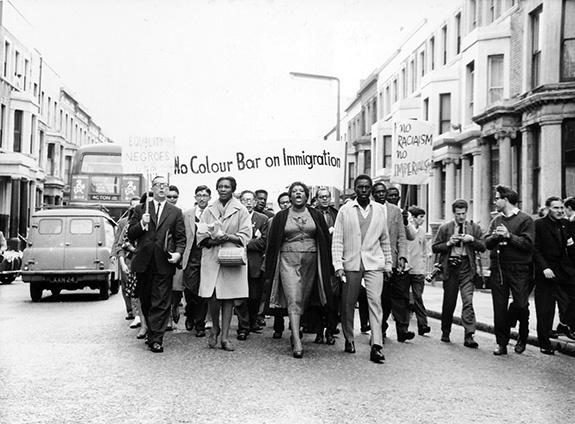
After another decade of racial tension, the 1962 Commonwealth Immigrants Act further ostracised the people that they had previously welcomed as necessary labour. Migrants from Commonwealth countries who were previously described as “citizens” were now described as “immigrants” and required a work permit to settle in Britain. This was due to the importance that was being placed on “skilled workers” at the time – a lot like the “highly skilled” migrants Boris Johnson has recently referred to.
The construct of “citizenship” is being used to forcibly remove people who don’t fit the Government’s idea of what a “British Citizen” should look like and it has been used throughout history. Prior to the racist Commonwealth Immigrants Act in 1968, there was the antisemitic Aliens Act in 1905, the deportation of at least 20 people to Afghanistan in 2003 and the “go home” vans and immigration raids in 2013. The recent call for “getting tough” on immigration is just a continuation of this and an example of dog-whistle politics. The Government is using language like “criminality” and “protection” to justify their actions against a group of people that they previously welcomed to reside here. It seems Britain was happy to exploit black people for their labour, allowing them to rebuild and sustain the economy while the country was in need, however, now that it is no longer convenient, they’re shipping them back. Considering that past accounts of deportations have resulted in death, the Government is knowingly sending these people to what could be their demise and using the stereotypes of inherent black criminality to do so.
Black people in this country, regardless of whether we’re UK born, have continuously felt as though our existence is a contradiction to what is widely accepted as British. My thoughts now go to black people living in the UK, feeling even more unwelcome in a place that they consider to be their home.

 Imperfect Activist