This is a bold statement, I know, but stay with me! We’re seeing more and more companies suffering from what I’m going to call “a teachable moment” syndrome… Brands make offensive ‘mistakes‘ that cause uproar and outrage in the black community, cancel culture rears its head, the brand apologises, labelling their error as a “teachable moment” and a few months later it’s business as usual. Except for the fact that the brand’s website traffic is likely to have increased quite a bit during the controversy…
Consider this; brands are producing racially insensitive advertisements and products with the sole motivation of creating publicity (at the expense of black sensitivities). Once they have people riled up, posting and sharing about the issue, the brand’s publicity will skyrocket. Their name will be mentioned across social media, it may even make it to the news. They’ve generated plenty of publicity and exposure and it didn’t cost a penny.
One of the most well-known oversights was H&M’s “coolest monkey in the jungle” jumper. Early last year the retailer released an image on their website of a young black boy wearing a green hoodie. In true highstreet-store fashion, the hoodie displayed a printed slogan. The slogan; “Coolest monkey in the jungle”.
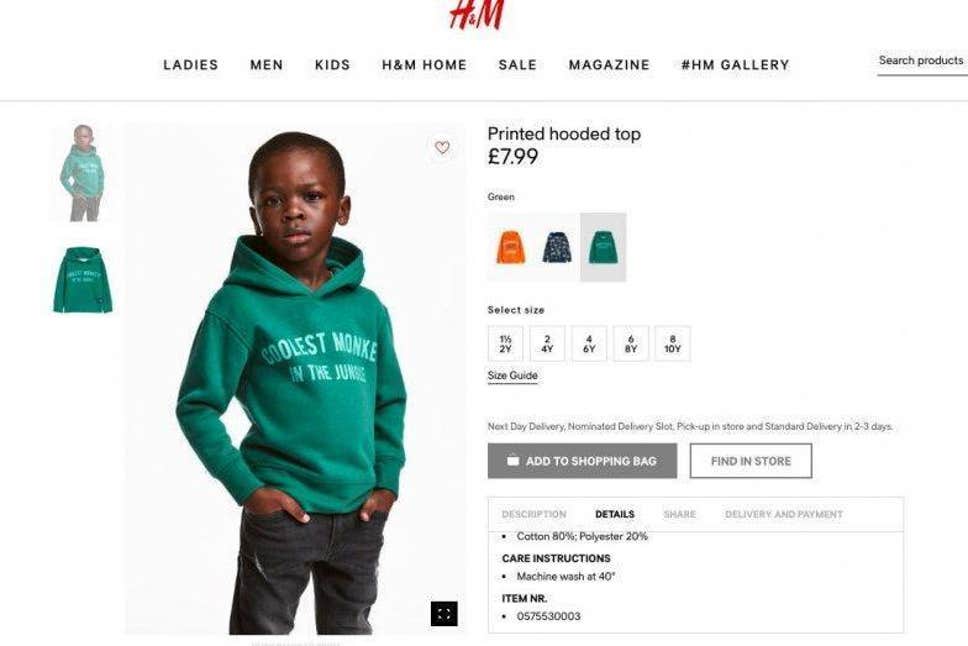
Somehow, H&M couldn’t see the possible repercussions of posting a black boy with the word “monkey” on his chest… The fact that they also had a young white boy wearing a similar jumper displaying the words “survival expert” does not help their case, in addition, it looks like they knew exactly what they were doing. In response to the outrage, H&M released a statement that said: “This incident is accidental in nature, but this doesn’t mean we don’t take it extremely seriously or understand the upset and discomfort it has caused”. Like many of their critics, I also find it hard to believe that the image made it through a number of approval stages and no one, at any point thought “…this may be offensive”.
It’s odd that brands do not seem to be learning from each other’s laxity. A few years prior, Matalan received backlash for images in their catalogue displaying children dressed up in animal onesies.
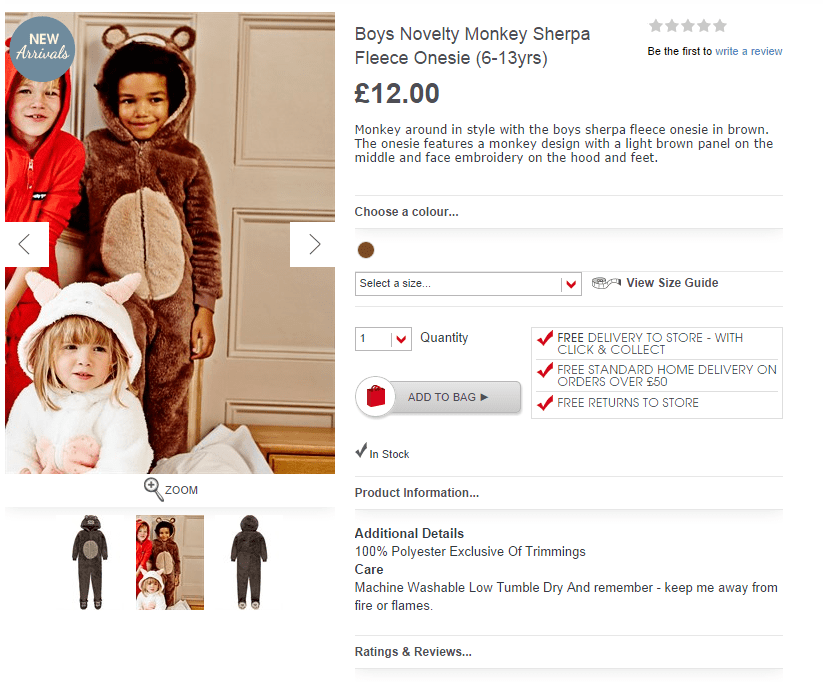
They were accused of racism because the only black children in the images were in monkey outfits. Matalan refused to remove the image and claimed that there was no issue because the “boys chose their outfits”. Surely it shouldn’t have to be explained that regardless of whether the children chose their outfits, the brand has a responsibility to the public as the publishers of the image. I’d like to make clear, my argument is not that these images alone are racist or that a black child cannot innocently choose to wear a monkey outfit without it being “turned into a race issue” as the company’s spokesperson stated. I do, however, believe that the concept is racially insensitive and the implications of that should have been something that Matalan’s marketing team should have preemptively aimed to avoid.
Moncler made a similar error in judgement when they released their Moncler & FriendsWithYou jacket that had a design identical to the late 19th-century Golliwog children’s book and TV show character.

The character appeared in both Europe and America, however, it was most popular in England. The Golliwog was an ugly, grotesque character often drawn with paws instead of hands and was based on a black minstrel doll. Moncler argued that the design was based on “Malfi the Penguin” who is “one of a cast of characters created by artist duo FriendsWithYou”.
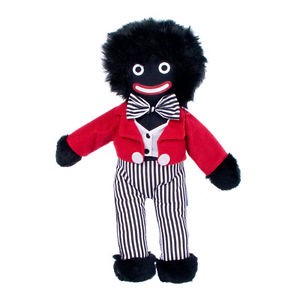

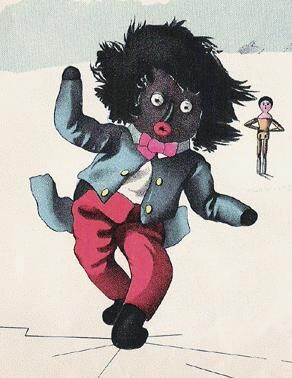
The French fashion brand were very apologetic, however, in light of how often this kind of ‘error’ occurs, the sincerity of their apology is questionable. Again, thinking about how many people/teams the design would have had to go through before coming out, it is hard to believe that not one person critiqued it…
The last example I’ll give is Gucci’s balaclava jumper in February 2019 which sparked outrage for resembling blackface… I’m sensing a trend here.
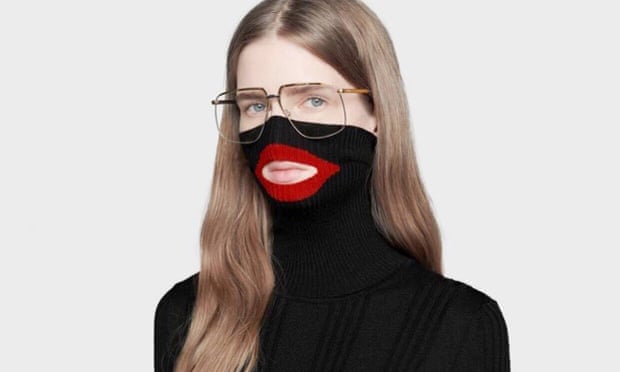
The people that work in the advertising teams of these global companies are incredibly good at what they do. The companies wouldn’t have this kind of size and reach if this wasn’t the case. They consider the imagery, wording and message of their ads for a living. Surely they could anticipate how the ads would be received. To argue otherwise is not only naive but also highlights the lack of diversity at all levels in these companies. The people in the rooms where decisions are made rarely represent the diverse audience that these companies are catering to.
Even newspapers and platforms as reputable as the BBC and Evening Standard are making negligent oversights such as the recent mislabelling of Marsha de Cordova (Shadow Minister for Disabled People since 10 October 2017) as Dawn Butler and Bell Ribeiro-Addy (also both black female MPs).
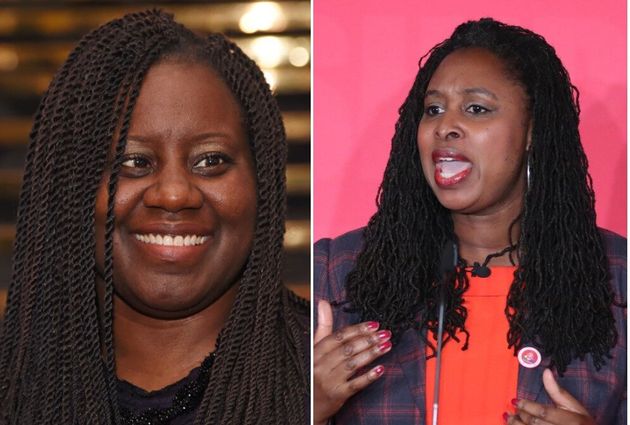
The BBC also recently played footage of Lebron James in what was meant to be a tribute to the late (and great) Kobe Bryant. A simple Google search will provide you with the correct images for all these names. Are we to believe that people working for the BBC and Evening Standard could not simply use a Google search to confirm that they had the correct images? How can such negligence be justified?
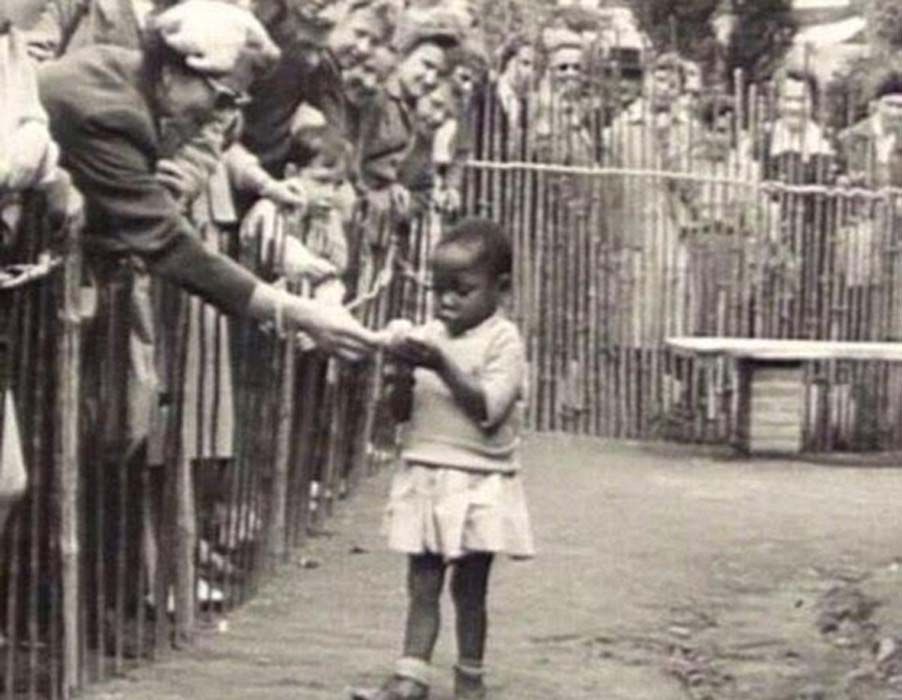
I’ve seen quite a few comments online asserting the ignorant argument that issues such as blackface and monkey comparisons are all “in the past” and that the outrage concerning these ‘mistakes‘ is oversensitive. This country’s historical myopia is particularly shocking to me because their amnesia only seems to develop when it suits them. Not only was this country home to a racist science that compared black people to animals and TV shows like the minstrels that perpetuated racist stereotypes, but it also caged black people (and other ethnicities) in human zoos for the white public’s amusement. The zoos existed in some form up until the 1950s in both Paris and London. With that kind of history only 70 odd years old, displaying a black boy with the word “monkey” on his chest cannot be seen as innocent. Even without extensive knowledge of Britain’s history, you just have to be a football fan to have witnessed how offensive the monkey gag or blackface can be.
The remnants of history do not disappear just because time has moved on. As Baldwin writes “it is to history that we owe our frames of reference, our identities, and our aspirations”. History stays with us. Society’s attitude, media representations, exclusionary institutions… they are all consequences of our past. Attitudes are passed down through generations. I went to a school where, being the minority, black children were teased with clicking sounds and taunted with imitated African accents. Where monkey noises and monkey-like gestures were accepted as ‘banter’. Children are not born with these kinds of jokes in their repertoire, they are learned. Taking all of this into account, I cannot imagine that these brands simply had no idea that their designs or products were offensive. I can only imagine that the benefits outweigh the cost…

In the age of social media where clicks can equal money, all press is good press. So is there a monetary value to be gained from racism and the inevitable black outrage that follows? We know that the black community have sway. We’ve seen it positively in the beauty industry with Fenty (suddenly now makeup brands have shades darker than medium brown after seeing the kind of money that can be made when you cater to black women) and we’ve seen how trendsetting black twitter can be. When black culture is speaking about something, popular culture takes note. So why wouldn’t brands want to use that to their advantage?
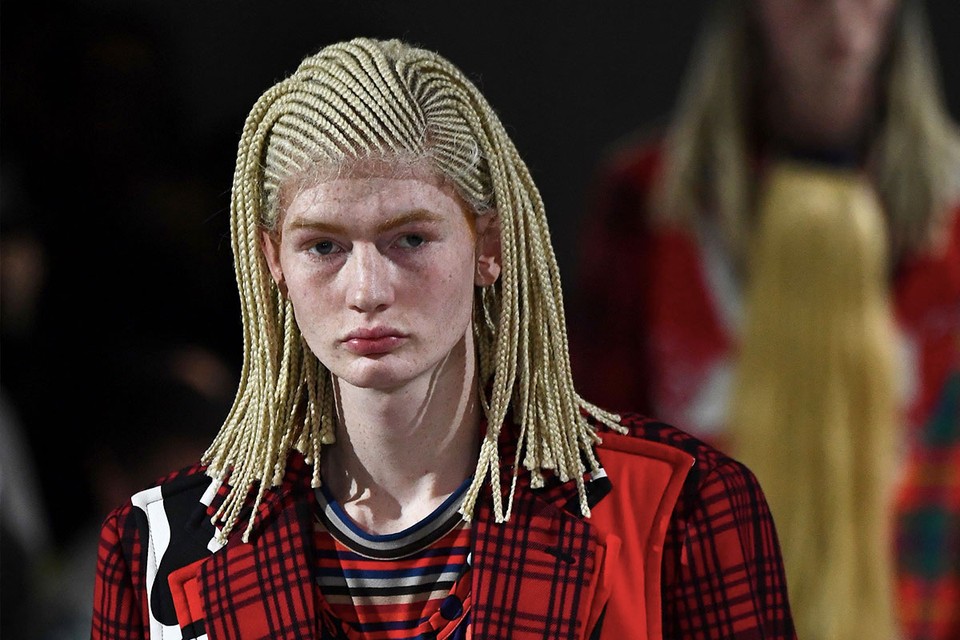
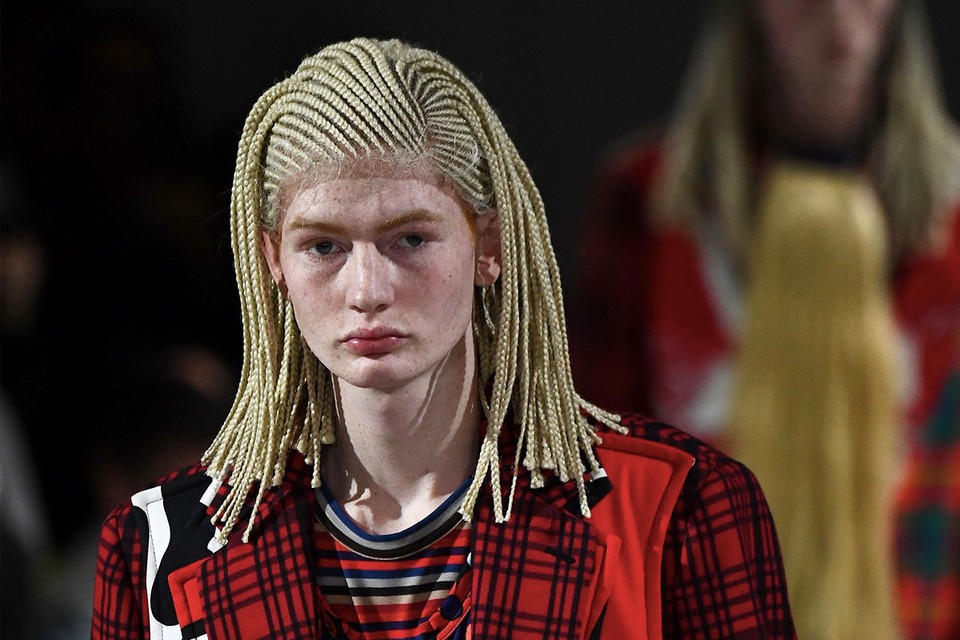
Let’s use Commes Des Garçons recent fashion show at Paris Fashion Week as an example. Although there were black models included, Commes Des Garçons and Julien d’Ys (their hairstylist) also chose to use white models wearing braided lace wigs on the runway to showcase the designs. Of course, this sparked some heated debate. But was that not Julien d’Ys’ intention? These designs most certainly would not have appeared on my timeline if it wasn’t for the people accusing the designer of cultural appropriation. The urge to share our understandable irritation has given rise to a new form of marketing strategy. Through our outrage, we are providing brands with free advertisement and exposure. In the same way that designers send their clothes to rappers in the hopes that our culture will influence popular culture, our outrage is also being used as a vehicle of promotion.
This strategy also extends to famous media personalities. Individuals have generated and advanced their careers using the outrage and controversy that is triggered by racist contention. Both Katy Hopkins and Piers Morgan are ideal examples of how far racism can take you in this country.
As a people (black people), our voice is more powerful than many of us realise. I appreciate that directing attention to these brands, companies and individuals in this post is counterintuitive, but if we do not recognise the power that we hold it cannot be used. By identifying the exploitation of the black voice we can reclaim it and utilise our influence for change.

 Imperfect Activist
Such a lovely insight into the new age of marketing. It is brutally clear that companies are adopting this style of marketing because of the guaranteed backlash from the black community. And we really are in an age now where all press is good press. It’s a shame, but we as a race need to really hone the powers we hold and use them to our benefit rather than the benefit of these racist institutions.
LikeLiked by 1 person
Thank you❤️🙏🏾 I agree wholeheartedly
LikeLike